
 LinkedIn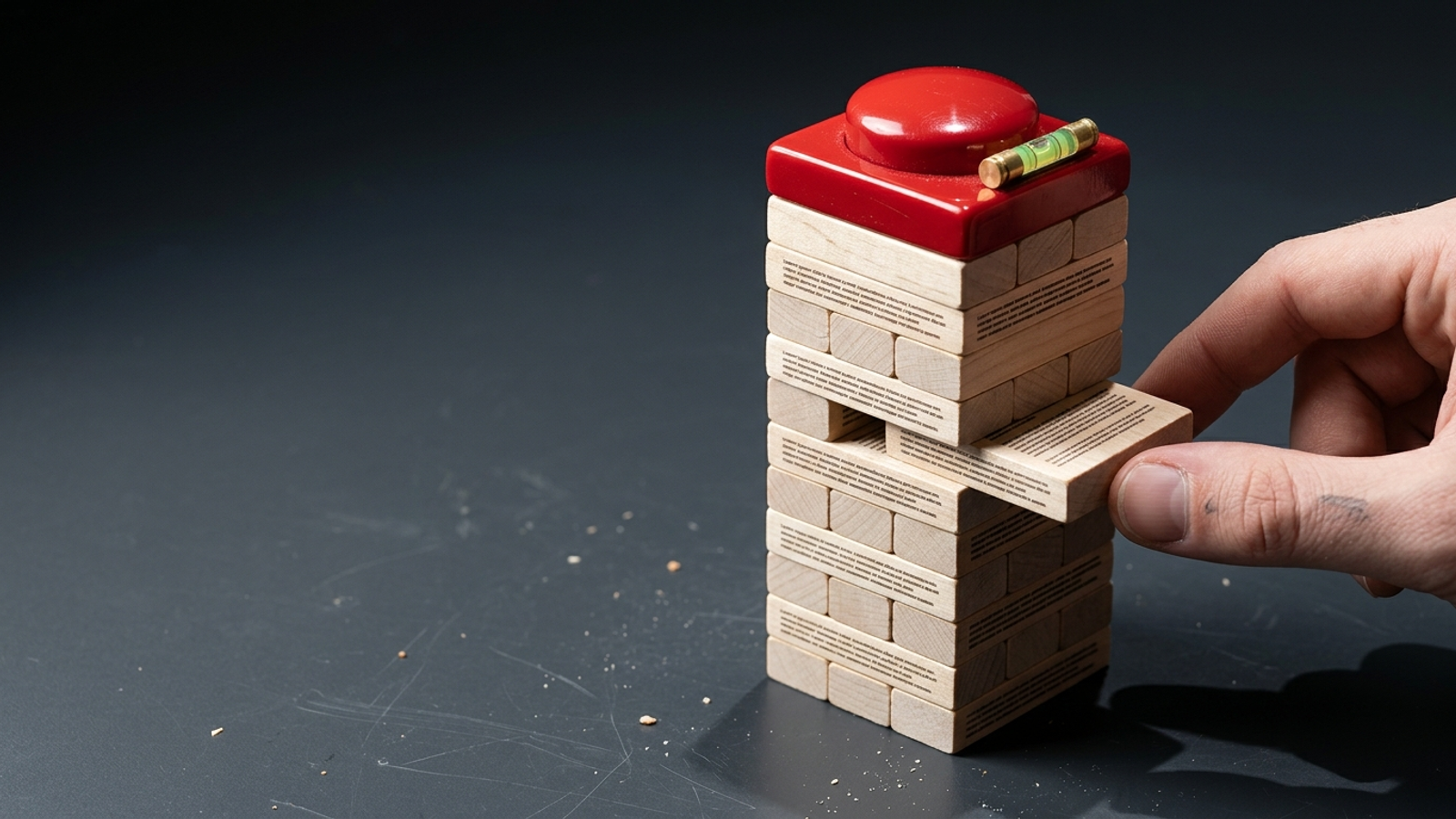
Your best PPC landing page may be your worst candidate for an AI Overview citation. The usual fix is to build a separate content page or buy a tool that swaps headlines. I’d keep the landing page that converts and give it something worth citing beneath the form.
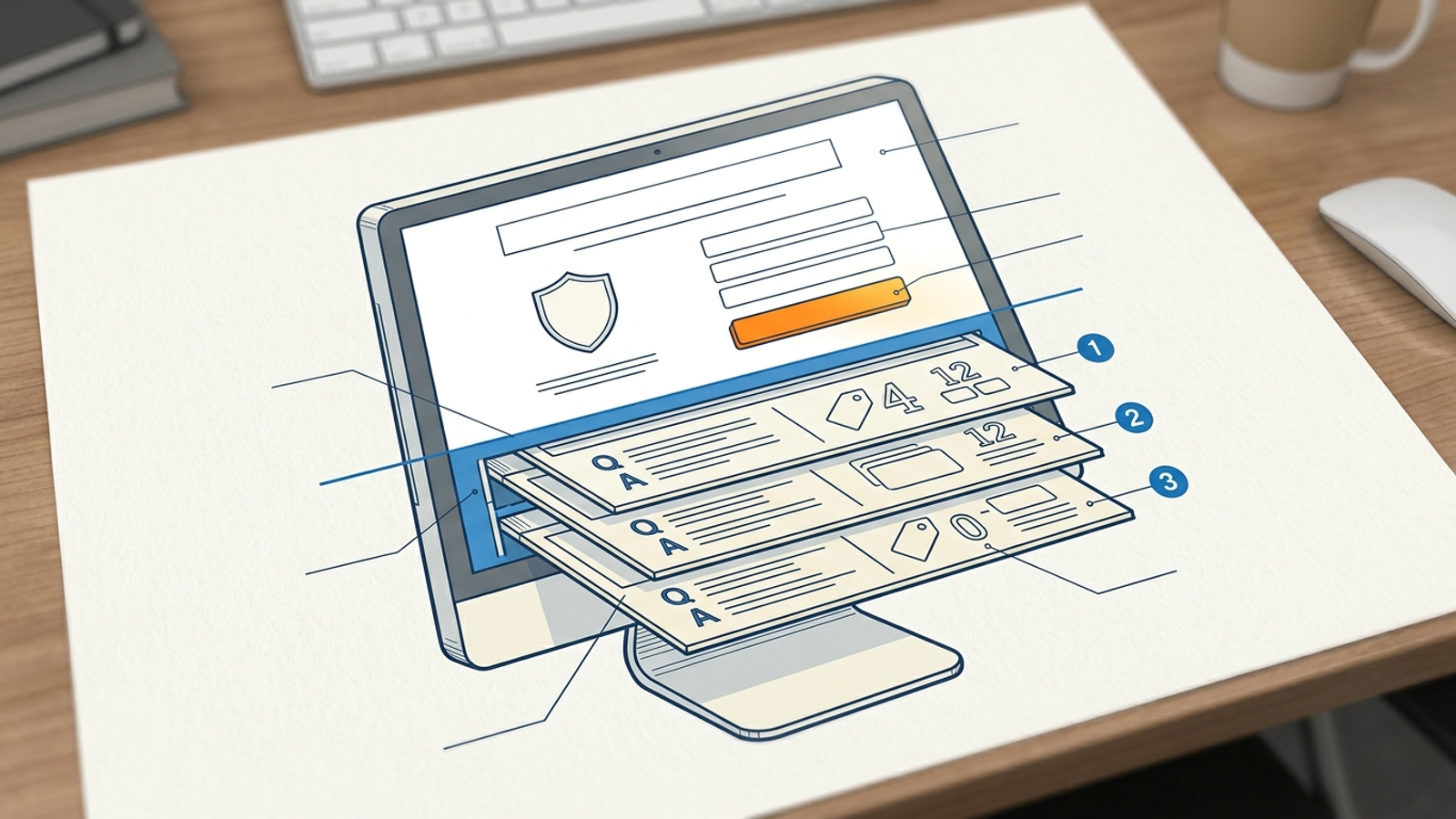
I used to build pages with thin copy, a form above the fold, one headline swapped per ad group, and a noindex tag so the variants would not crowd the SEO pages. They did the paid-search job. But a page blocked from indexing cannot earn a citation, and an indexable page made entirely of pitch gives an Overview little to quote. You need two layers on one page: a conversion layer where your tests put it, and a citable layer underneath that answers buyer questions in plain sentences.
Why isn’t my best-converting page showing up in AI Overviews?
Most agencies won’t tell you this: the page you pay to convert was often built to be ignored by everything except paid traffic. I used to tag every PPC variant noindex as a reflex, to keep thin clones from cannibalizing the SEO pages. That does not hurt PPC performance. It does make those pages ineligible for AI Overview citations. Pages blocked by robots.txt, tagged noindex, or carrying nosnippet are excluded from AI Overview citations. No brilliant answer block can rescue a page that is not eligible.
Removing the tag alone does not solve it. PPC landing pages are often thin by design: little text, no schema, and a strong CTA focus. One analysis found they rank for about two branded keywords on average. Add JavaScript-rendered copy that may be picked up late, plus product pitch that never directly answers a question, and you have several of the formats this AI Overview guidance flags as poor citation candidates. That is not a verdict on your conversion work. You built for the click. Overviews need passages they can quote.
What does a two-layer landing page look like?
The top layer stays put: headline, subhead, proof element, form or call button. I learned to be wary of casual page changes after a client swapped a landing page without telling me and Quality Score tanked. Do not move a working form down to make room for an SEO paragraph. If you need a refresher on why the ad-to-page experience matters, start with Quality Score and landing page experience. Protect the conversion layer first.
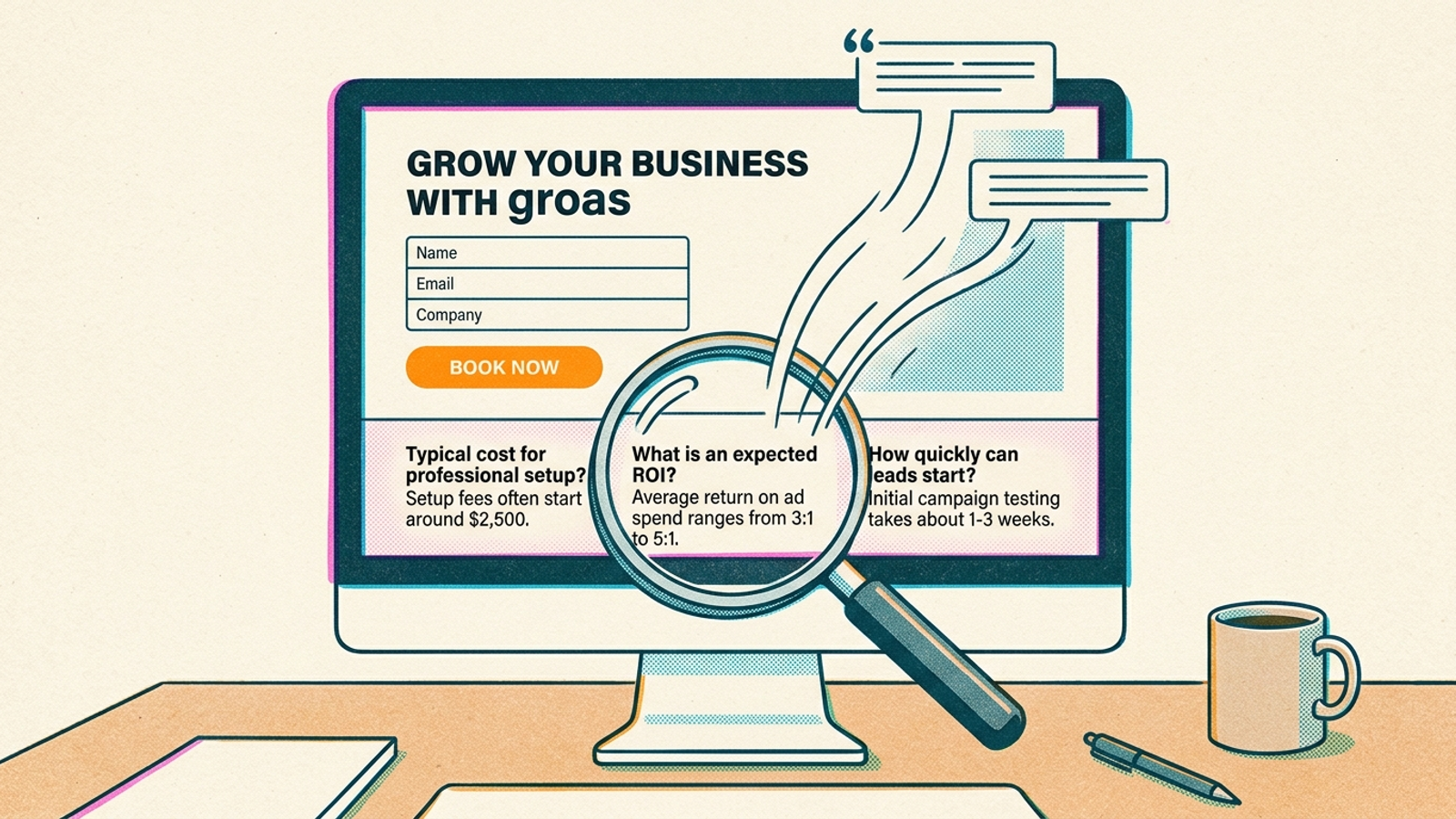
The citable layer sits beneath it. Give three to five buyer questions their own H2 or H3 headings. Answer each one in the first sentence, then add a short explanation. The aim is a passage that makes sense outside the page: price, timeline, who the offer fits, what is included, or how it compares. Overviews can lift passages rather than entire pages. A headline test cannot write a useful answer for you.
How do I rebuild one page without rebuilding every PPC variant?
Work in this order. Eligibility comes before copy; copy comes before markup. Skip the tempting shortcut of publishing answers on forty near-identical URLs and hoping one sticks.
1. Which page should I make indexable?
I used to tell clients to noindex every PPC variant. I was wrong to make it a blanket rule. It still makes sense for thin clones: mark PPC duplicates noindex without hurting PPC performance. If you run dozens of near-identical pages, keep them out of the sitemap or isolate them on a subdomain. Indexing the SEO version alongside ten thin PPC copies invites cannibalization instead of giving buyers one useful destination.
Pick one canonical commercial page per offer to make eligible, usually the main service or category page. Put only canonical, indexable URLs in the sitemap. Rebuild that page and leave the ad-group clones alone. A citable layer is work; do it once where it has a chance to count.
2. Which buyer questions belong under the form?
Keyword tools tell you what people typed into Google. Buyer questions give you the wording an answer needs to address. I pull candidates from sales call notes, chat transcripts, and the emails support keeps answering. I also type the service alongside price, timeline, and versus into Google, then read the follow-up questions.
Choose three to five that fit the canonical page. Do not bolt a broad FAQ library beneath a conversion form; those questions belong on a content page. And do not assume a top organic position buys you a citation. Position-one links have about a 53% chance of appearing versus 36.9% for position-ten links. Rank can help. The passage still has to answer the question.
3. How do I write an answer an Overview can lift?
Give each question its own heading in the buyer’s words. Follow it with a two-to-four-sentence answer that stands alone: answer first, detail second, qualifier last. For an illustrative garage-door page, a cost answer could read: Emergency garage door repair in Austin runs $149 to $389. After-hours calls and full spring replacements sit at the top end. Standard rollers and sensor fixes sit at the bottom. Use your actual offer’s numbers, not an illustrative range.
Then elaborate with a short proof line and, where you state a fact that needs support, a link to a manufacturer spec or local source. Keep the pitch outside the answer block. This guidance rates highly promotional copy poorly for citations and FAQ or how-to passages more favourably. Bury the answer under three paragraphs of persuasion and you have made it harder to lift. If a stranger cannot quote the first two sentences without editing them, rewrite them.
4. Can the answer name what I sell without the logo?
Clever copy works less well when it leaves the subject unstated. A headline such as “We fix it fast” may be clear to a visitor looking at the logo and page design. On its own, it does not identify the business, the service, or the place. Under the form, write the less glamorous version: full brand name, category in plain words, city and service area, and relevant product or model specifics.
Instead of “our premium plan covers most homes,” an illustrative answer might name the garage-door business, say it installs Clopay residential doors, and specify Austin and Travis County. The passage should still make sense with the logo and navigation removed. That is useful repetition, not copywriting failure.
5. Should I add structured data before writing the answers?
No. Write visible answers first, then add appropriate FAQPage, HowTo, or Article JSON-LD that matches what visitors can read. Include author credentials and an outbound citation where you state a fact. Keep every number in the markup consistent with the page.
Set expectations. In one test of 1,885 pages with JSON-LD against 4,000 controls, AI Overviews moved -4.6%, AI Mode +2.4%, and ChatGPT +2.2%. Only the negative move was significant; the authors concluded there was no major uplift. Schema is floor hygiene, not a substitute for an answer. It can help describe the page to machines. It cannot make a thin pitch quotable.
6. Is the answer in the HTML a bot receives?
This is the quiet failure. A page looks complete in your browser, but its answer block appears only after JavaScript runs. Google may render it later, yet critical copy in JavaScript can be missed or picked up late. Put the answer in server-rendered HTML when you can.
The first check takes 30 seconds: right-click, choose View Source, and search for a sentence from the answer block. If it is missing, treat that as a warning about reliability, not proof that no crawler will ever see it. Fix the template rather than trusting a plugin to paper over it, and check again after a landing page builder update. Make the answer available when the page is fetched.
What if I have 40 headline-swapped landing pages?
Say you spend $20k a month across 40 ad groups, each with a headline-swapped clone. That structure can help match the ad to the page. For citations, unblocking all 40 is the wrong move. You would be asking near-duplicates to compete instead of concentrating the answers on one canonical page.
My working setup is one indexable canonical page carrying the answer block. Keep ad-group variants noindex or canonicalized to that page, and use dynamic text replacement when you need to match ad copy without creating another URL. The mechanics are in this walkthrough on dynamic landing pages without a dev team.
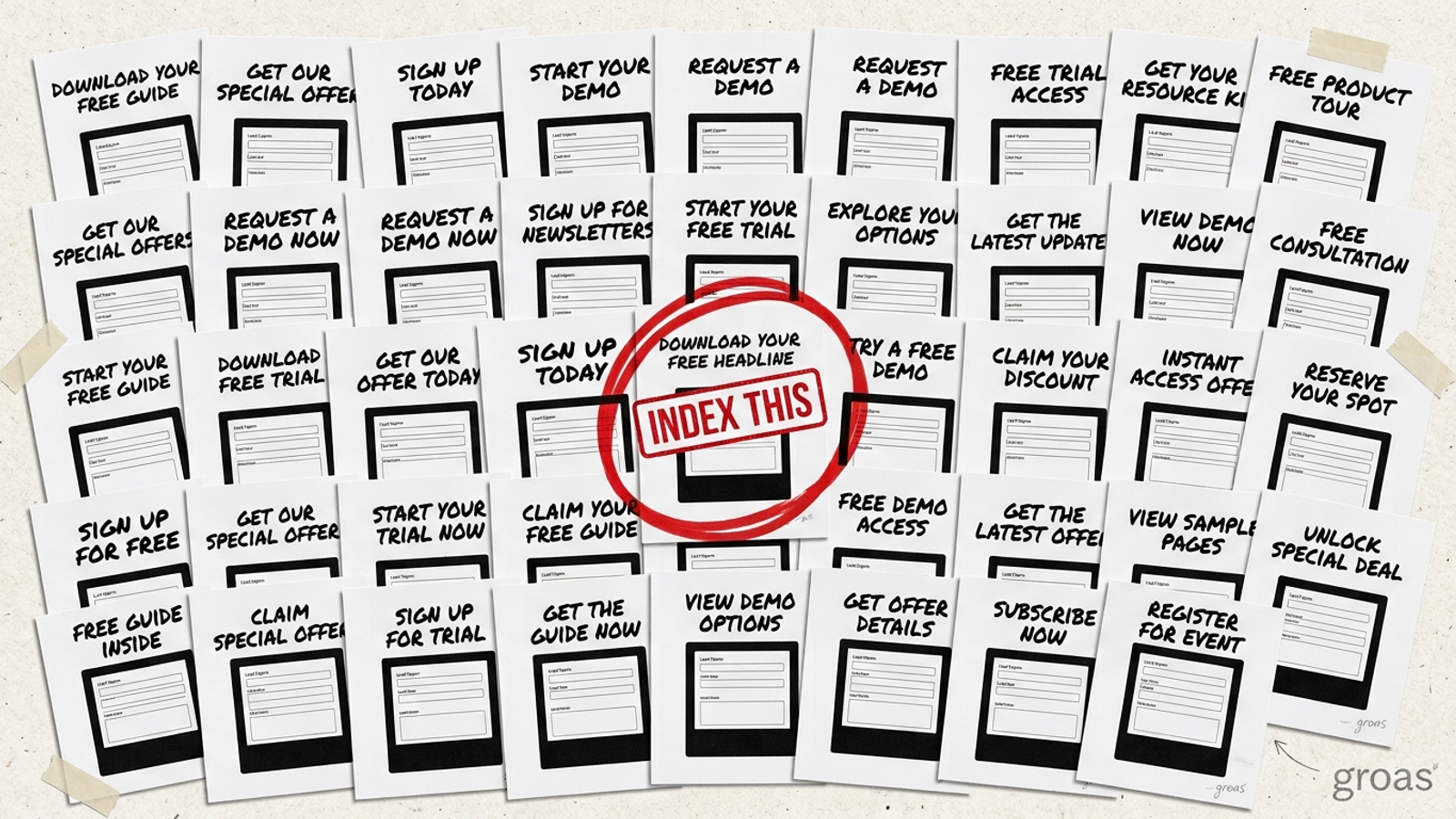
Keep the sitemap to the canonical URL for that offer, not the whole PPC set. Then, when you check for citations, you are watching one rebuilt page rather than trying to interpret what happened across forty competing copies. Skip the mass rollout until that page has held its conversion rate.
How do I know whether the edit worked?
Use two scoreboards: citations and conversions. A citation you bought by losing leads is not a win.
For citations, check manually once a week for four weeks. Use the same prompts while signed out, keep the same location setting, and record whether an Overview appears and whether it links to your page. Date every check. Overviews change, so one screenshot is weak evidence; appearing three weeks out of four is a better signal than appearing once.
- Run your three target buyer prompts and log whether your page is cited.
- Leave one similar page unchanged as a control for the edit.
- Watch Search Console impressions for the rebuilt URL to check whether it is being indexed and served.
For conversions, compare two weeks before and after at similar spend, or split traffic if you have enough volume. Say the page converts at 11% on 400 visits a week. A two-point drop is easier to notice there than it is on 40 visits, so give a low-traffic page more time. If conversion rate holds and citations appear, keep the change. If conversion rate falls, check and roll back layout changes before deleting the answers. In my experience, moving the conversion elements is the bigger risk than adding copy below them.
Can landing page optimization software do this for me?
It can help with the top layer. Unbounce, for example, routes visitors to variants with Smart Traffic and swaps copy to match ads with dynamic text replacement. It claims 30% more sales or signups than A/B testing. That is a conversion claim, not a citation plan. Those features do not choose your canonical page, write a buyer answer, name the entities it needs, or ensure the answer sits in server-rendered HTML.
I skip any “AI landing page optimizer” that promises citations from headline tests. Someone still has to decide which page stays indexable, which questions belong there, and what the answer says before the pitch begins. That is why I do this inside groas: paid search, the page, and AI visibility sit in one program, with a strategist accountable for the tradeoff. Buy software for variant speed. Keep the citation decision with someone accountable for CPA.
What should I do today?
Pick the canonical page for the offer taking the most paid spend this month. Today, do the 30-second source check: search View Source for its price or timeline sentence. If the sentence is missing, send that finding to whoever controls the template. Then add one answer block beneath the form, leave a control page untouched, and watch both scoreboards for four weeks. Skip the other 39 clones until this page holds its conversion rate and earns a citation.